Hardscape & stone
Patios, walks, walls, fire features and steps in stone from this corner of New England, set on a base deep enough that frost can’t lift it.
Get a quote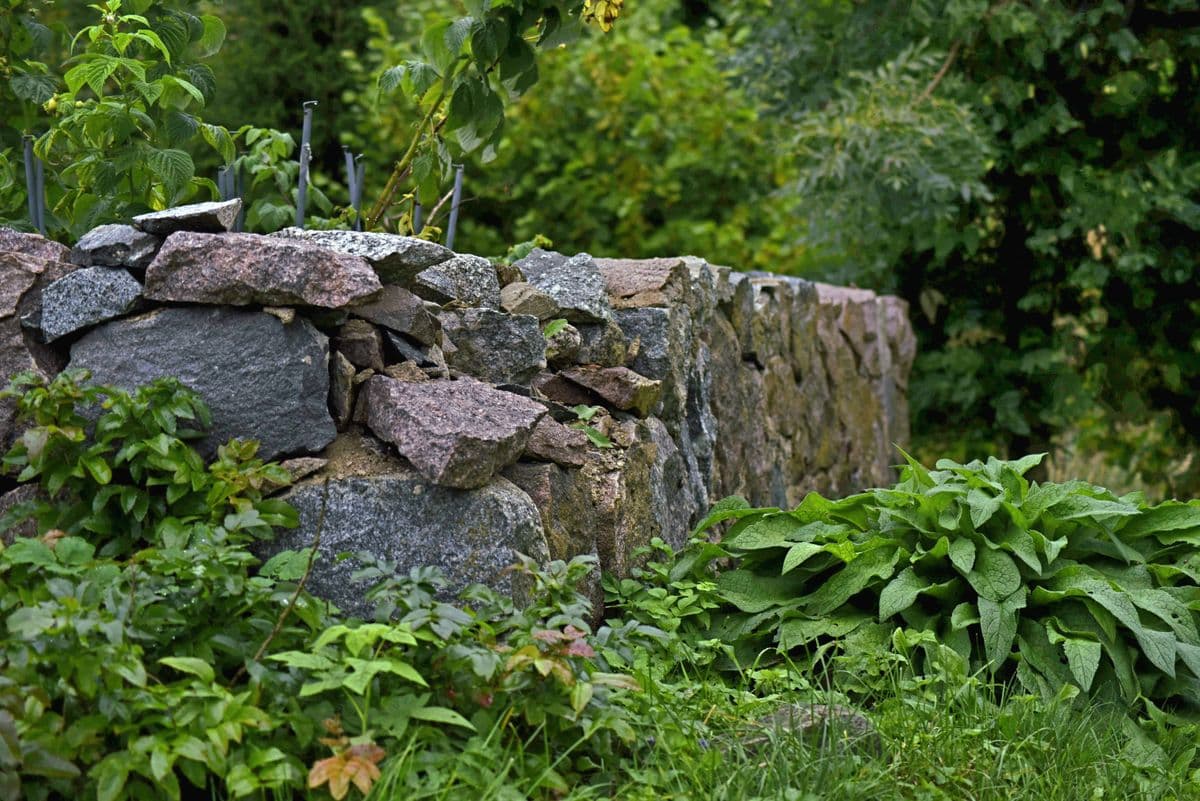
What we build
Our masons build from April to November. Book by February for a spring start.
Patios
Bluestone, granite or pavers on eight to twelve inches of compacted gravel, pitched so water runs off and away from the house.
Walkways
Front walks, garden paths and steppers through lawn, sized for two people walking side by side.
Natural stone walls
Dry-laid and mortared fieldstone walls, from knee-high garden walls to retaining walls that hold back a hillside.
Fire features
Wood-burning fire pits and gas fire tables, with seat walls at a comfortable height around them.
Steps
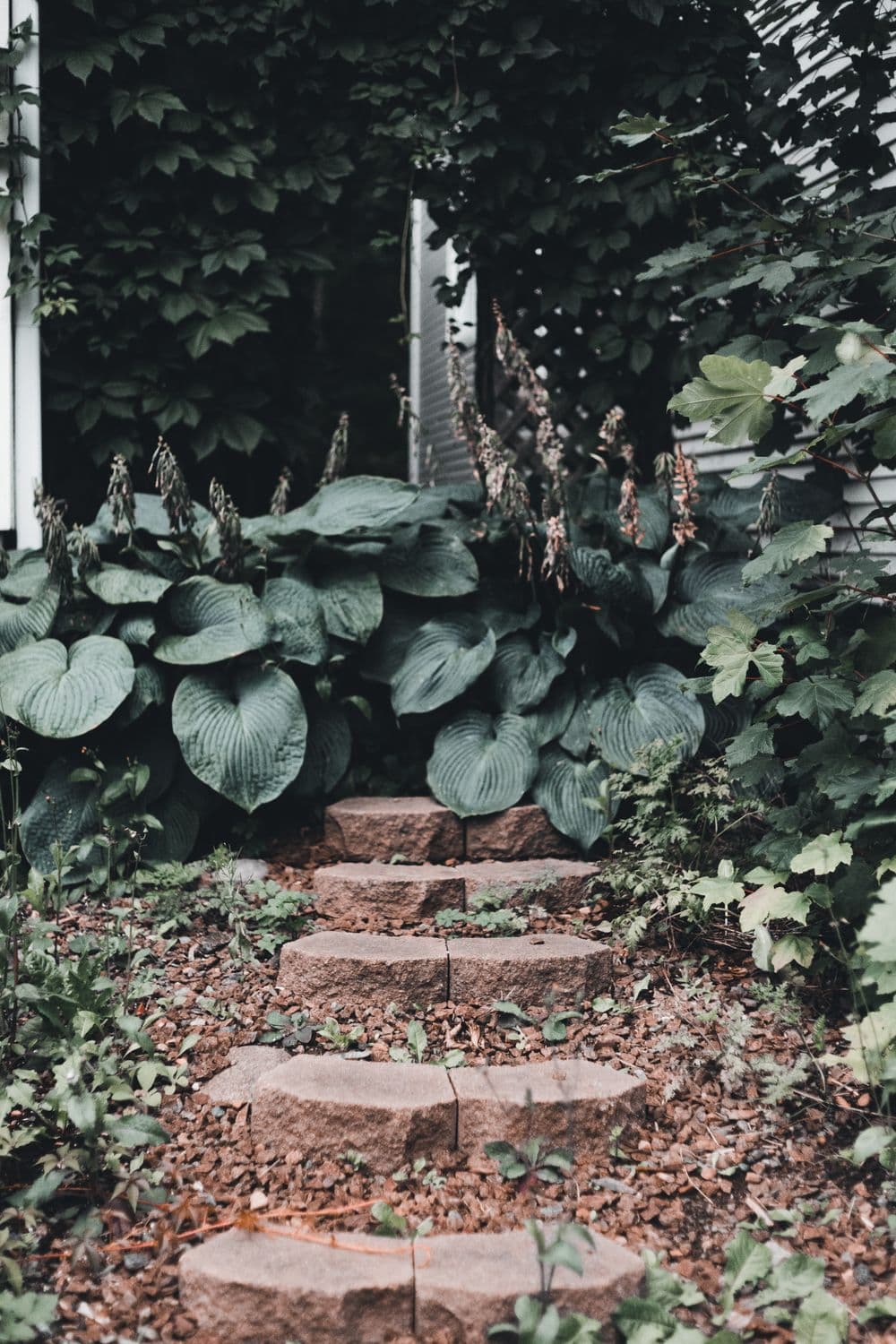
Granite slab and bluestone steps with even risers, set into slopes so they read as part of the hill.
Choose your stone
Four materials cover almost everything we build. We bring samples to the site walk so you can see them against your house.
Bluestone
Quarried in the Catskills and northeast Pennsylvania
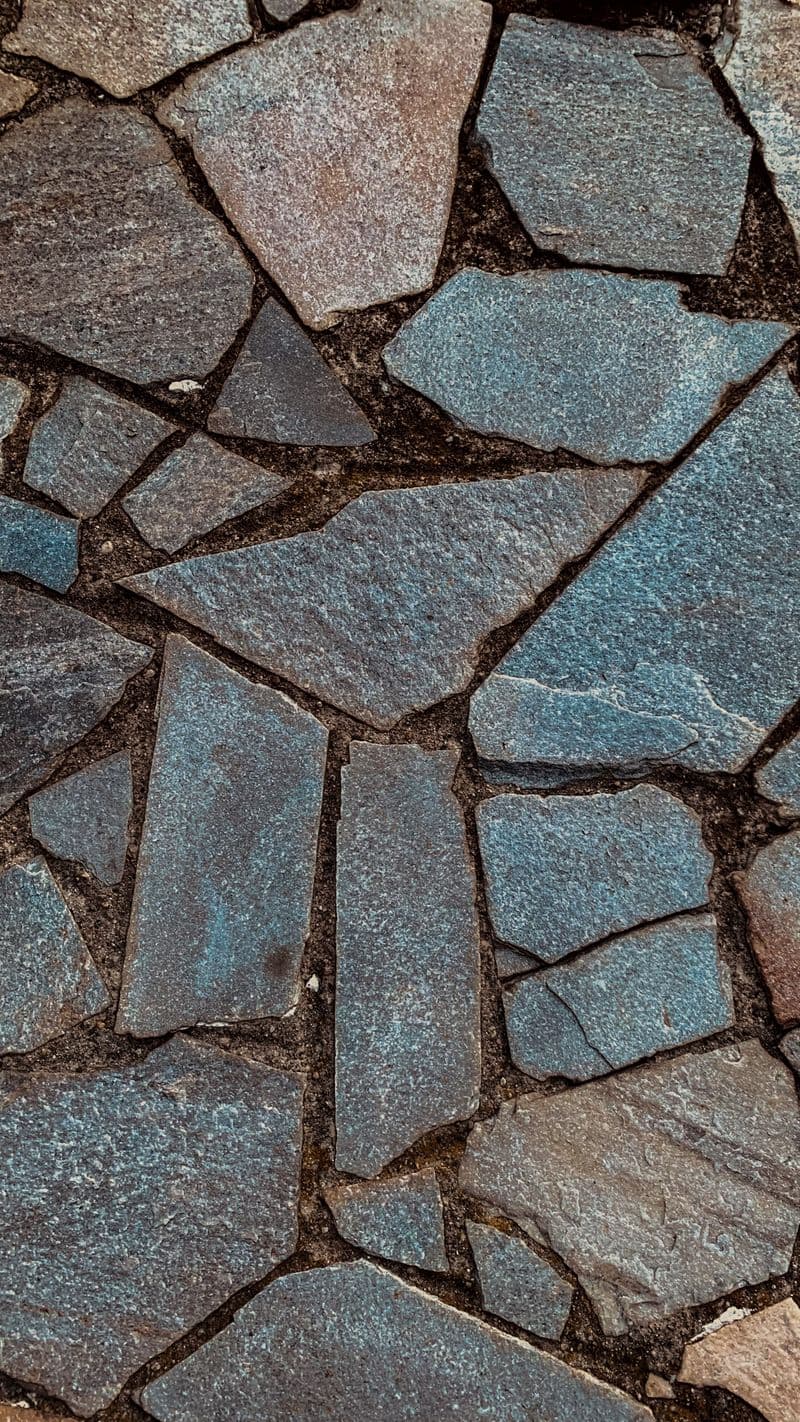
Dense sandstone in blue-gray to lilac. Natural cleft for a rustic surface, thermal for a smooth one.
- Best for
- Patios, walks, steps and wall caps
- Price
- Installed from $38 per sq ft
Fieldstone
Gathered from New England farm walls and fields
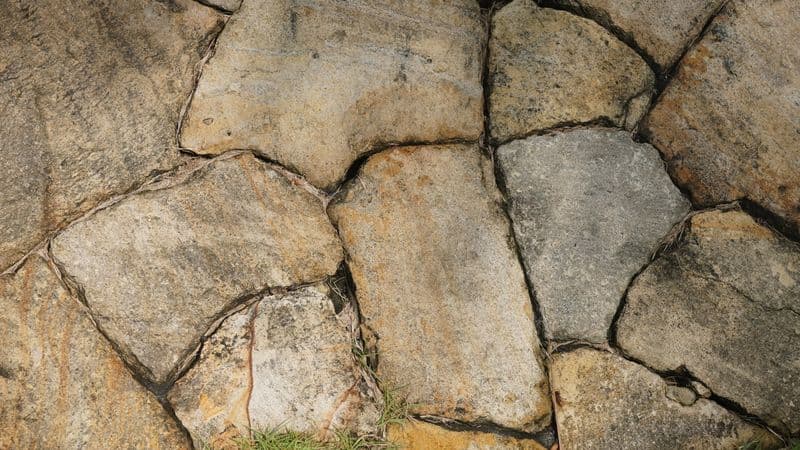
Weathered, rounded stone with lichen already on it. Every wall we build from it looks a hundred years old on day one.
- Best for
- Dry-laid walls and retaining walls
- Price
- Installed from $95 per face ft
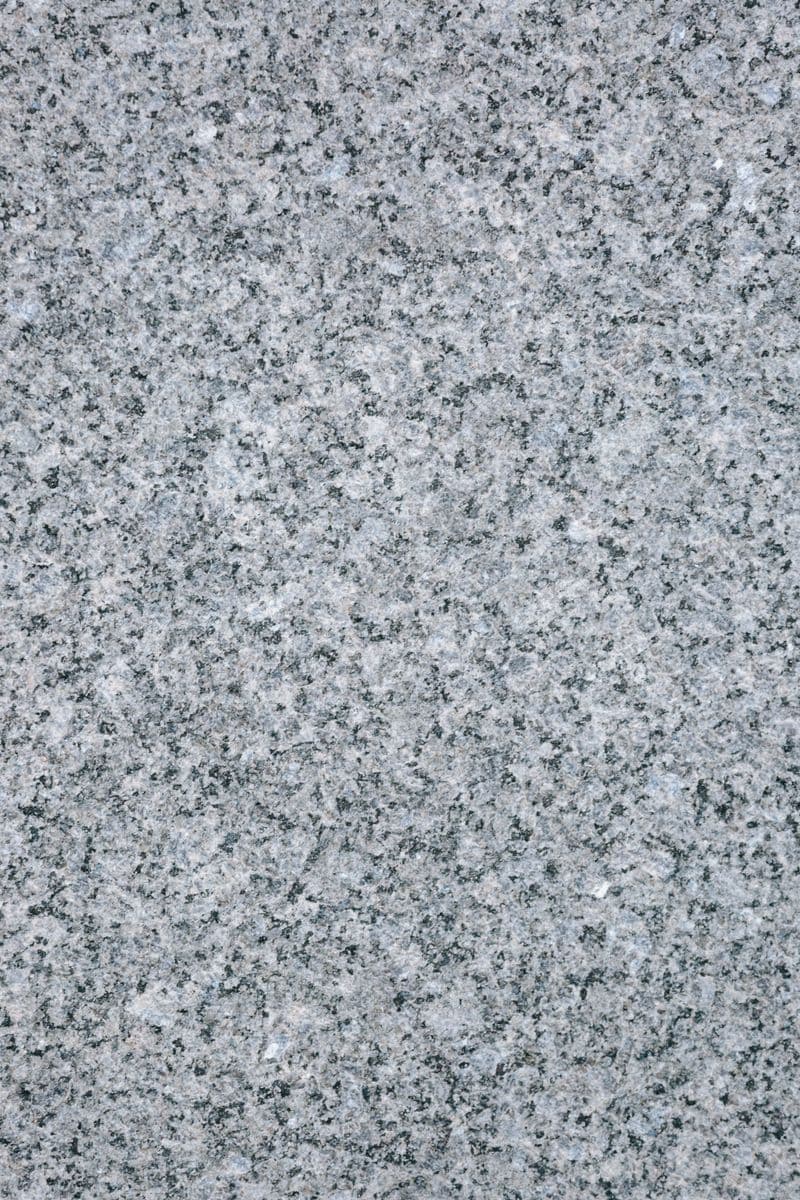
Granite
From quarries in Connecticut, Massachusetts and New Hampshire
The hardest stone we set. Split, sawn or flamed, and it shrugs off salt, plows and frost.
- Best for
- Steps, curbing, posts and driveway aprons
- Price
- Installed from $52 per sq ft
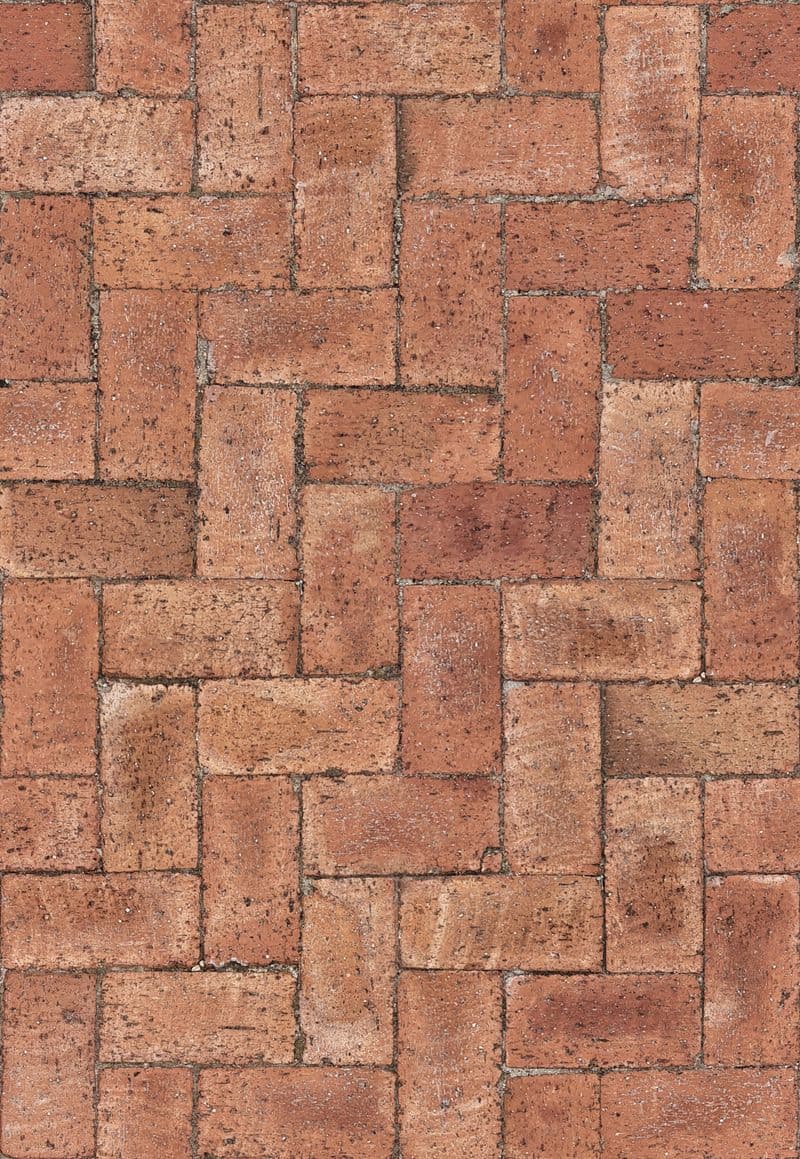
Pavers
Clay brick and concrete, made in the Northeast
Uniform units that lock together. Clay brick suits older homes; tumbled concrete holds up to driveways.
- Best for
- Driveways, large terraces and budgets
- Price
- Installed from $28 per sq ft
What’s under a Fieldstone patio
Patios heave when water sits in soft ground and freezes. We dig past the topsoil and build up a base that drains, so the stone stays where we set it.
Natural stone, 1½ in
Bluestone or granite, gapped for polymeric joint sand
Setting bed, 1 in
Stone dust, screeded flat to the pitch
Processed gravel base, 8–12 in
Compacted in two-inch lifts with a plate tamper
Geotextile fabric
Keeps the clay below from working up into the base
Native subsoil
Dug out until we hit undisturbed ground
Get a price for your patio or wall
Send a few photos and rough measurements. We’ll come out, measure properly and give you a fixed price.